The Growth of Solar Energy Projects and the Challenge of Building in Complex Terrains
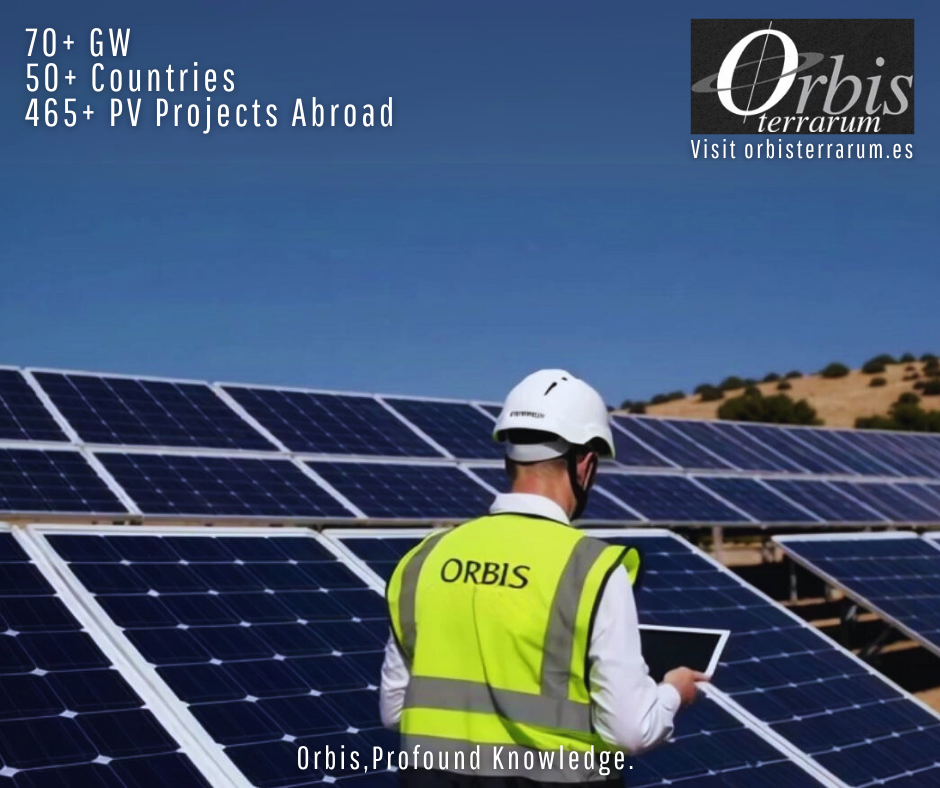
The development of solar energy projects continues to rise, and the need to build photovoltaic plants in previously unviable terrains is now a reality. Industry geographic expansion, searching for high-radiation locations have pushed these projects into increasingly challenging environments: desert areas, regions with extreme temperatures or humidity, former mining-facilities and coastal zones with high salinity.
Adapting infrastructure to these conditions is not just a matter of feasibility but also of efficiency, safety, and long-term durability.
How does Orbis Terrarum address these challenges?
- Corrosion Studies: In coastal zones, industrial areas or regions with high humidity, metal corrosion can compromise the lifespan of a project. Through advanced testing, we analyze the environmental impact on materials and propose solutions to enhance their durability.
- Geotechnical Studies for Complex Terrains: Expansive soils, froze-hiving effects, the presence of salts, or low bearing capacity can affect the stability of foundations. Our geotechnical studies allow us to design optimal solutions for each soil type.
- Hydrology and Flood Risk Management: In areas prone to heavy rainfall or with erosion risks, we analyze water dynamics to prevent negative impacts on infrastructure and optimize drainage system design.
The key to a long-lasting solar farm is not only its design but also a deep understanding of the environment where it will be built.
At Orbis Terrarum, we turn environmental challenges into technical solutions that guarantee the stability, durability, and profitability of every photovoltaic plant.
Contact us to learn how we can help optimize your project.
info@orbisterrarum.es
www.orbisterrarum.es
Orbis, Profound Knowledge.
#Orbis #ProfoundKnowledge #ClimateChange #RenewableEnergy #Photovoltaics #Geotechnics #Corrosion #Hydrology #Engineering

